Home > News > Product Information > Key Applications of Two-component Colored Pavement in Urban Roads
News


Key Applications of Two-component Colored Pavement in Urban Roads

As the first choice for color safety pavement markings, two-component color pavement has many applications on urban roads and plays an important role in ensuring the safety of vulnerable groups in traffic.


Bus lanes

BUS LANE


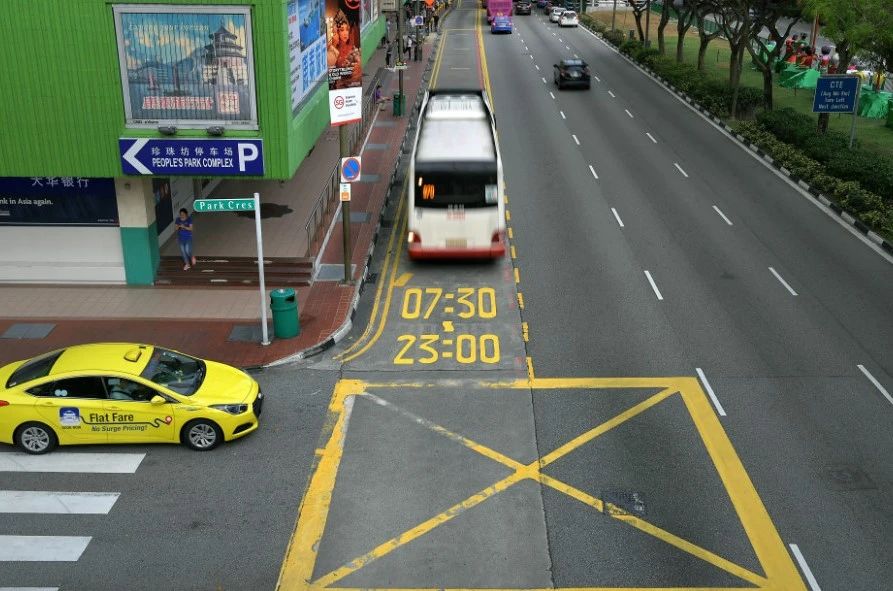
Properly planned bus lanes alleviate congestion in high-traffic areas by reducing the number of cars in their lanes, especially during peak hours. In fact, around the world, many countries are implementing bus rapid transit (BRT) systems, effectively reducing millions of hours of commuting time
WeChat picture _20231109090918.jpg

These bus lanes are often indicated by road text or signage, but the problems are obvious. Signage is easily obscured by street trees on the side of the road and difficult to notice, and road text can quickly become blurry after a period of use, especially on rainy nights

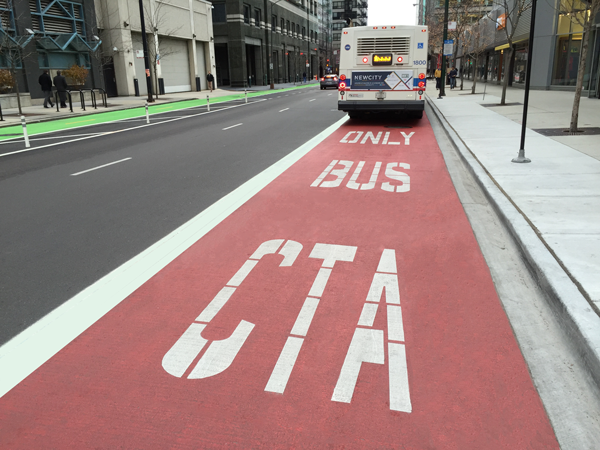
Therefore, traffic planners need better methods, including using clearer road markings to make bus lanes noticeable to private car drivers.
WeChat picture _20231109091004.png


Laying a two-component colored anti-slip pavement material is the most economical and efficient option. This non-fading, permanent road marking, combined with sprayed markings, text or patterns, clearly indicates the nature and boundaries of the road day and night. Coloured non-slip pavement mixed with aggregates provides excellent anti-slip effect when passengers get off the bus. This is important for elderly people who ride alone, as the vast majority of elderly fall accidents occur during the process of getting on and off the bus.


Non-motorized lanes

BICYCLE LANE


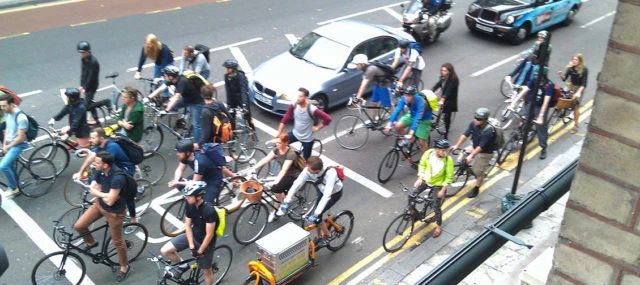
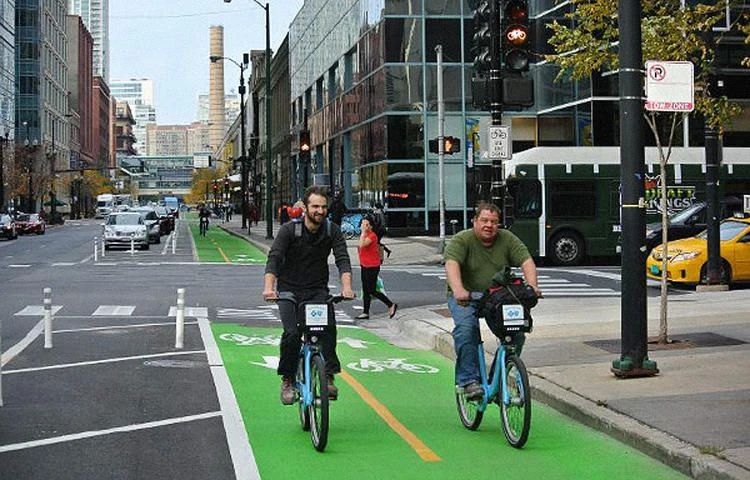
In recent years, citizens' demand for non-motorized lanes has become increasingly strong. On the one hand, there are more cyclists on the roads today than ever before, especially after the spread of shared bicycles. On the other hand, the continuous growth of the number of electric vehicles has intensified the "battle for the right of way" between motor vehicles and non-motorized vehicles, and people want to stay away from motor vehicles and have their own dedicated lanes
WeChat picture _20231109091009.jpg


Unfortunately, as a non-motor vehicle owner, you are often vulnerable in a traffic environment. In addition to being wary of motor vehicle owners who mistakenly enter the lane, they should always pay attention to the road in front of them. In rainy and snowy weather, two-wheeled vehicles are more prone to self-fall accidents than four-wheeled vehicles.


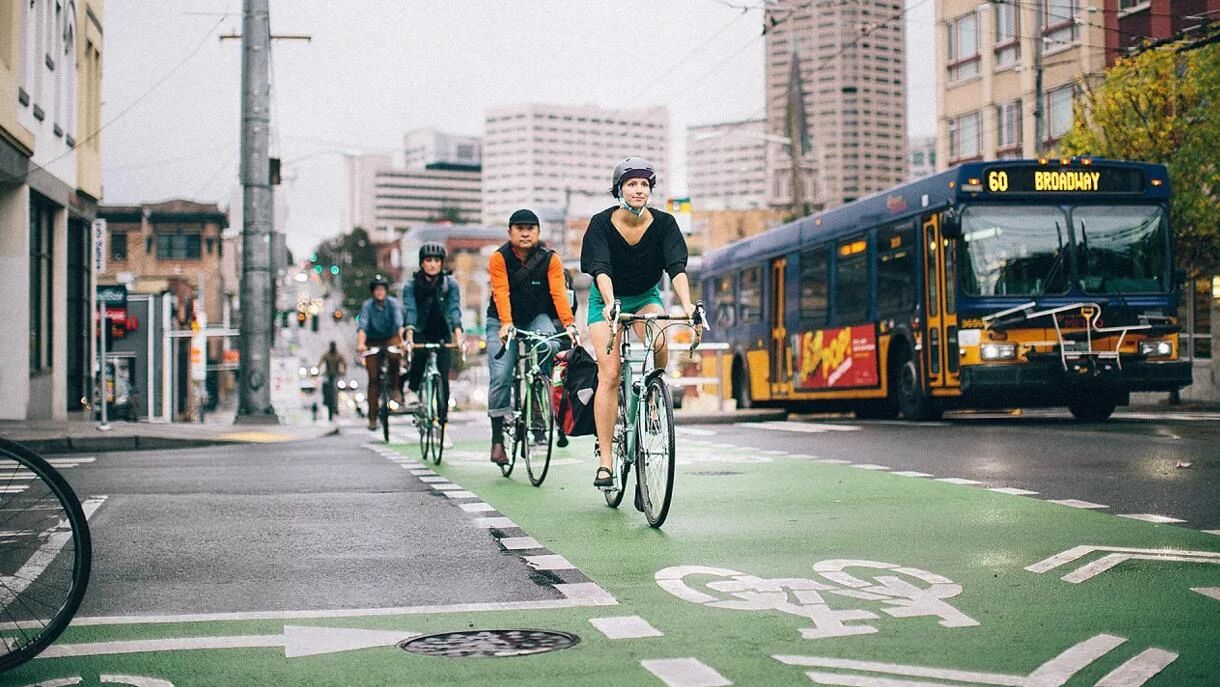
Whether it's a bicycle or an electric vehicle, riding safety is paramount. Many collisions and injuries are completely avoidable. Using permanent colored anti-slip pavement to cover non-motorized lanes is the most cost-effective way to retrofit.


WeChat picture _20231109091013.jpg

According to a survey by the American Association of National Highway and Transportation Officials (AASHTO), non-motorized lanes with special color markings have a 28% lower collision rate with motor vehicles in Montreal than non-motorized lanes without special color markings. In New York City, the contrast is even more pronounced, with non-motorized lanes paved with colored non-slip pavement and a 56% drop in crash rates. Another set of research data showed that after the paving of colored anti-skid pavement, the number of people using non-motorized lanes was 2.5 times higher than before. Obviously, people prefer to ride on dedicated tracks with clear markings and strong anti-skid.
WeChat picture _20231109091019.jpg

In the long run, the construction and popularization of non-motorized lanes is very beneficial. Non-motor vehicles do not produce pollution, nor do they occupy too much land in the city, and even if there is a collision accident between them, it is far easier to deal with than a motor vehicle. Most importantly, people prefer to ride on clearly marked non-motorized lanes, which not only makes traffic more orderly, but also makes the city's traffic environment more civilized. This conclusion has been proven in European and North American countries.


mixed traffic priority lane

MIXED ROAD


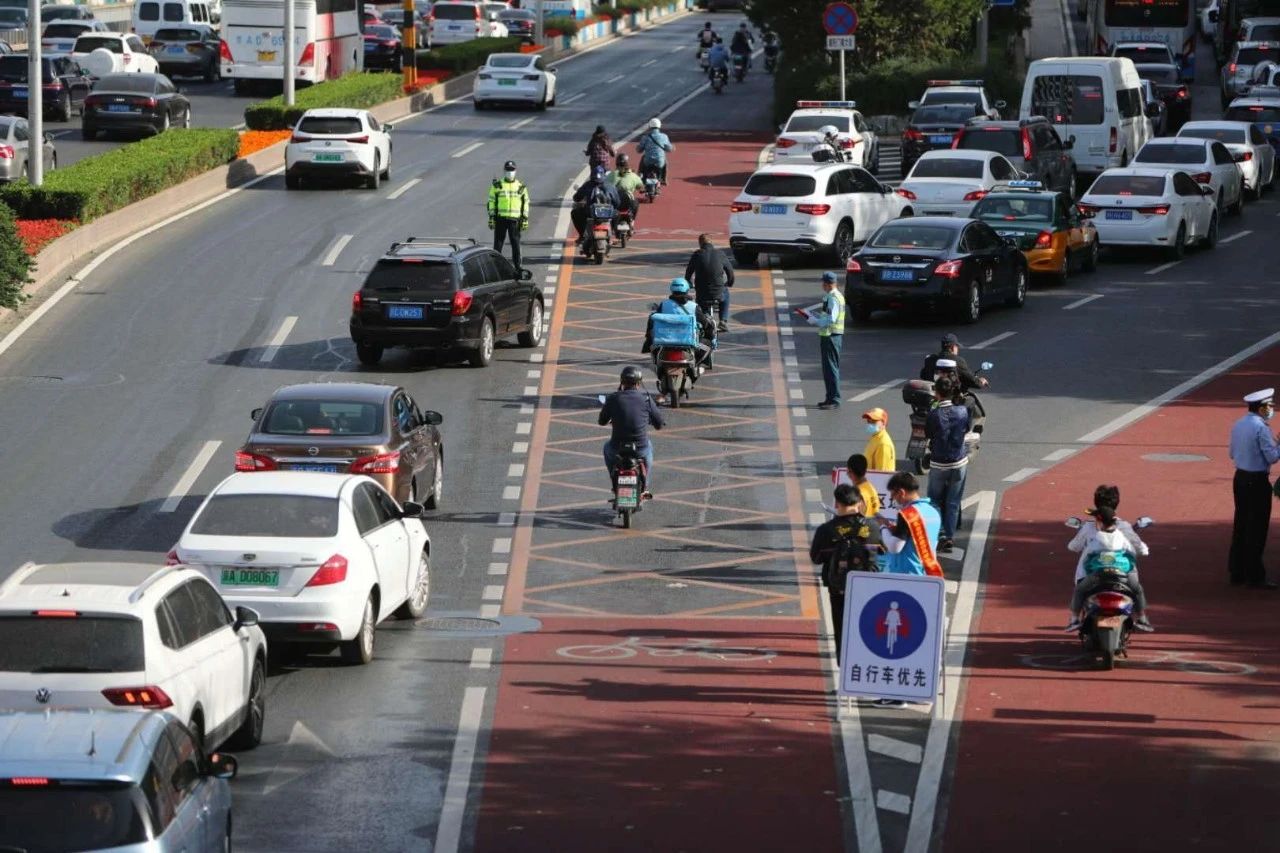
More and more urban roads have added slow travel systems. However, some roads have widths that limit the addition of non-motorized lanes. Mixed priority lanes offer a solution to this problem.
WeChat picture _20231109091023.jpg

The red colored paving marks the mixed priority lane, where bicycles enjoy the right of way, but do not restrict motor vehicle use. This plan not only improves the safety and convenience of non-motor vehicle riding, but also minimizes the impact of the slow travel system on motor vehicles. The color pavement of the mixed priority lane is not only required to be non-slip, but also strong enough to cope with the frequent rollover of motor vehicles.


Pedestrian crossing

CROSSWALK


In recent years, the design of urban roads has become more and more centered on motor vehicles. In order for vehicles to move as efficiently and quickly as possible, the width of the road and the speed limit have been greatly increased. This has led to high car accident mortality rates on urban roads. In China, an average of about 200 people die in car accidents every day. In the United States, pedestrians are 7.2 times more likely to die from crashes than from accidental deaths from natural disasters.
WeChat picture _20231109091027.jpg

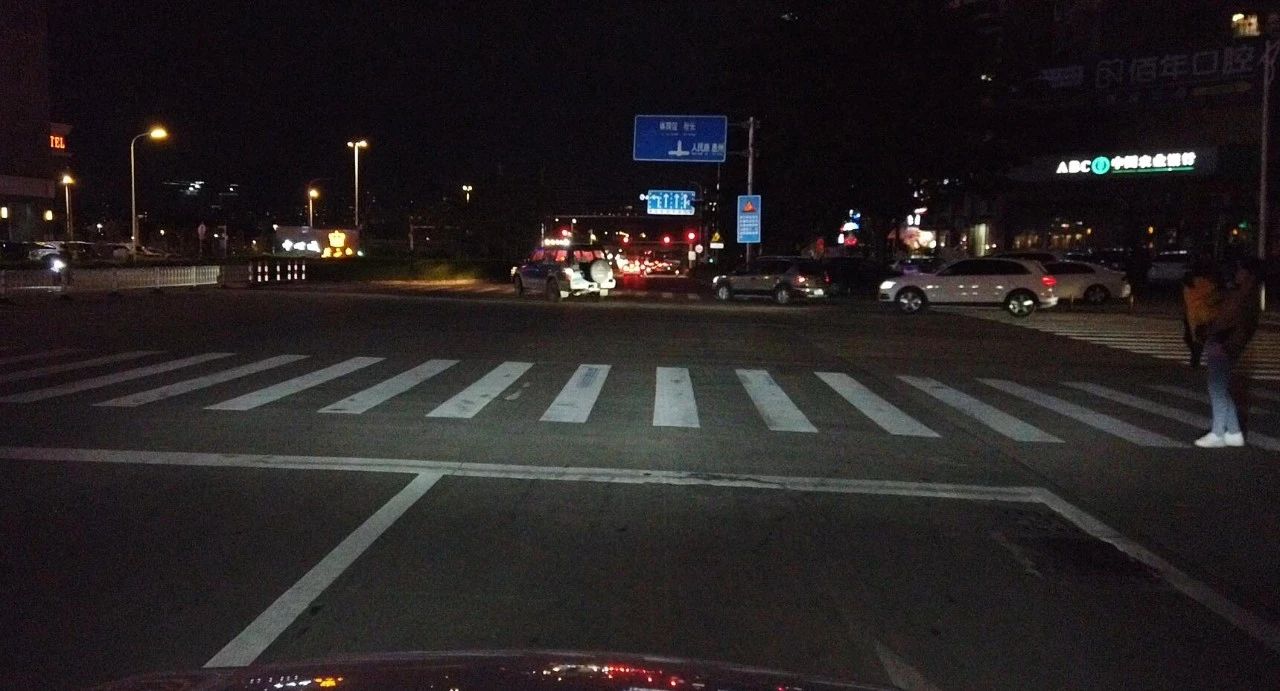
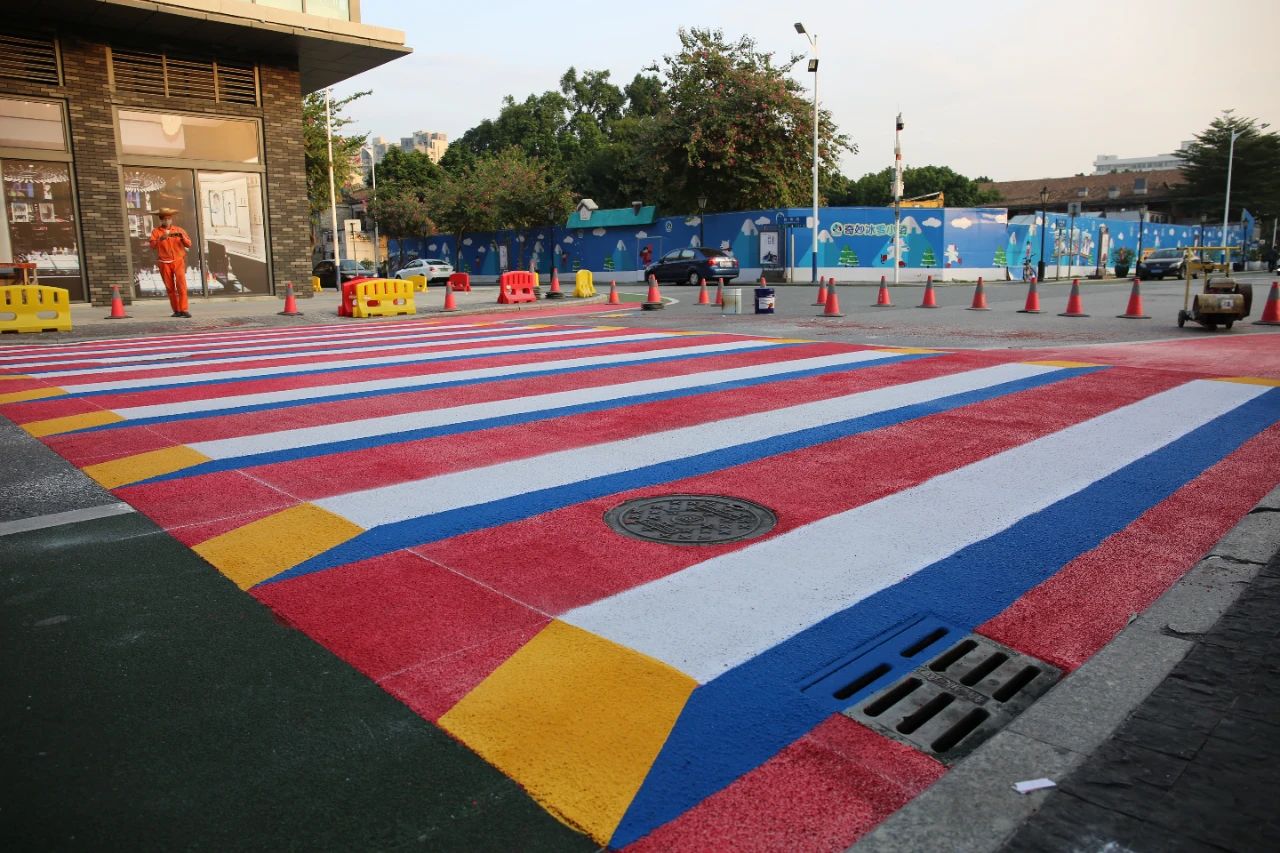
Crosswalk markings located at junctions are generally more prone to wear and tear than general lane markings. On rainy days or at night, it is difficult for not only drivers to find but also pedestrians to find the location of zebra crossings. Some parts of the United States are using wear-resistant, non-slip, and long-reflective two-component marking materials to make white markings for crosswalks as an alternative to traditional thermoplastic materials or prefabricated parts. In addition, many countries, including China, have tried to pave colored anti-skid pavement in the gaps of zebra crossings to enhance the contrast between the day. Colored anti-slip pavement can also significantly reduce braking distances and prevent pedestrians from slipping.
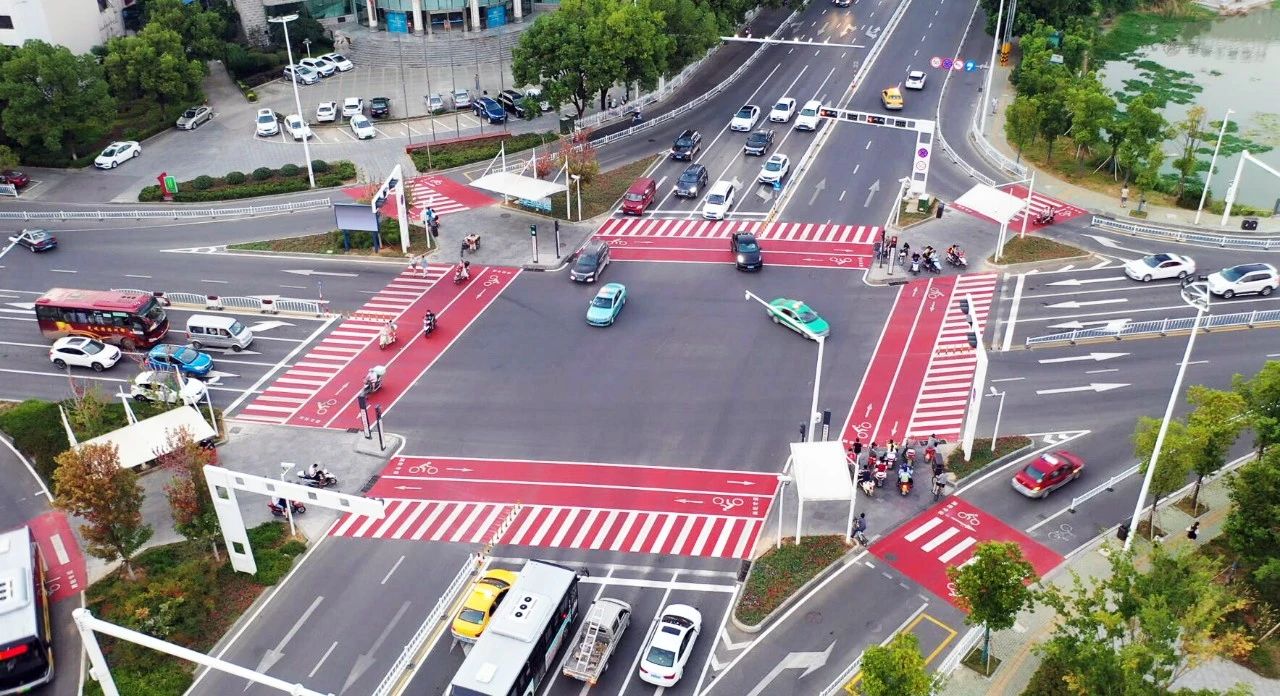
WeChat picture _20231109091031.jpgZebra crossings combined with colored anti-skid pavement are more easily spotted, both during the day and at night. This is good news for both drivers and pedestrians.
WeChat picture _20231109091036.jpg

In many cities in China, Sanwin and Sanwin's customers are making more colored crosswalks. We believe that creating long-lasting, wear-resistant and non-slip crosswalks is our first step towards making the world safer.


Why two-component is the best color paving material

MMA THE BEST CHOICE

Whether it's a bus lane, bike lane, or pedestrian crossing, municipalities and transportation departments need to find the most economical and reliable way to convert dedicated lanes. It is important to note that these dedicated lanes should not be a project that requires frequent maintenance. As the most cost-effective pavement marking material, Sanwin two-component color anti-slip pavement coating can solve this problem well.


News
Key Applications of Two-component Colored Pavement in Urban Roads

As the first choice for color safety pavement markings, two-component color pavement has many applications on urban roads and plays an important role in ensuring the safety of vulnerable groups in traffic.


Bus lanes

BUS LANE


Properly planned bus lanes alleviate congestion in high-traffic areas by reducing the number of cars in their lanes, especially during peak hours. In fact, around the world, many countries are implementing bus rapid transit (BRT) systems, effectively reducing millions of hours of commuting time

WeChat picture _20231109090918.jpg

These bus lanes are often indicated by road text or signage, but the problems are obvious. Signage is easily obscured by street trees on the side of the road and difficult to notice, and road text can quickly become blurry after a period of use, especially on rainy nights

Therefore, traffic planners need better methods, including using clearer road markings to make bus lanes noticeable to private car drivers.

WeChat picture _20231109091004.png


Laying a two-component colored anti-slip pavement material is the most economical and efficient option. This non-fading, permanent road marking, combined with sprayed markings, text or patterns, clearly indicates the nature and boundaries of the road day and night. Coloured non-slip pavement mixed with aggregates provides excellent anti-slip effect when passengers get off the bus. This is important for elderly people who ride alone, as the vast majority of elderly fall accidents occur during the process of getting on and off the bus.


Non-motorized lanes

BICYCLE LANE


In recent years, citizens' demand for non-motorized lanes has become increasingly strong. On the one hand, there are more cyclists on the roads today than ever before, especially after the spread of shared bicycles. On the other hand, the continuous growth of the number of electric vehicles has intensified the "battle for the right of way" between motor vehicles and non-motorized vehicles, and people want to stay away from motor vehicles and have their own dedicated lanes

WeChat picture _20231109091009.jpg


Unfortunately, as a non-motor vehicle owner, you are often vulnerable in a traffic environment. In addition to being wary of motor vehicle owners who mistakenly enter the lane, they should always pay attention to the road in front of them. In rainy and snowy weather, two-wheeled vehicles are more prone to self-fall accidents than four-wheeled vehicles.


Whether it's a bicycle or an electric vehicle, riding safety is paramount. Many collisions and injuries are completely avoidable. Using permanent colored anti-slip pavement to cover non-motorized lanes is the most cost-effective way to retrofit.


WeChat picture _20231109091013.jpg

According to a survey by the American Association of National Highway and Transportation Officials (AASHTO), non-motorized lanes with special color markings have a 28% lower collision rate with motor vehicles in Montreal than non-motorized lanes without special color markings. In New York City, the contrast is even more pronounced, with non-motorized lanes paved with colored non-slip pavement and a 56% drop in crash rates. Another set of research data showed that after the paving of colored anti-skid pavement, the number of people using non-motorized lanes was 2.5 times higher than before. Obviously, people prefer to ride on dedicated tracks with clear markings and strong anti-skid.

WeChat picture _20231109091019.jpg

In the long run, the construction and popularization of non-motorized lanes is very beneficial. Non-motor vehicles do not produce pollution, nor do they occupy too much land in the city, and even if there is a collision accident between them, it is far easier to deal with than a motor vehicle. Most importantly, people prefer to ride on clearly marked non-motorized lanes, which not only makes traffic more orderly, but also makes the city's traffic environment more civilized. This conclusion has been proven in European and North American countries.


mixed traffic priority lane

MIXED ROAD


More and more urban roads have added slow travel systems. However, some roads have widths that limit the addition of non-motorized lanes. Mixed priority lanes offer a solution to this problem.

WeChat picture _20231109091023.jpg

The red colored paving marks the mixed priority lane, where bicycles enjoy the right of way, but do not restrict motor vehicle use. This plan not only improves the safety and convenience of non-motor vehicle riding, but also minimizes the impact of the slow travel system on motor vehicles. The color pavement of the mixed priority lane is not only required to be non-slip, but also strong enough to cope with the frequent rollover of motor vehicles.


Pedestrian crossing

CROSSWALK


In recent years, the design of urban roads has become more and more centered on motor vehicles. In order for vehicles to move as efficiently and quickly as possible, the width of the road and the speed limit have been greatly increased. This has led to high car accident mortality rates on urban roads. In China, an average of about 200 people die in car accidents every day. In the United States, pedestrians are 7.2 times more likely to die from crashes than from accidental deaths from natural disasters.

WeChat picture _20231109091027.jpg

Crosswalk markings located at junctions are generally more prone to wear and tear than general lane markings. On rainy days or at night, it is difficult for not only drivers to find but also pedestrians to find the location of zebra crossings. Some parts of the United States are using wear-resistant, non-slip, and long-reflective two-component marking materials to make white markings for crosswalks as an alternative to traditional thermoplastic materials or prefabricated parts. In addition, many countries, including China, have tried to pave colored anti-skid pavement in the gaps of zebra crossings to enhance the contrast between the day. Colored anti-slip pavement can also significantly reduce braking distances and prevent pedestrians from slipping.

WeChat picture _20231109091031.jpgZebra crossings combined with colored anti-skid pavement are more easily spotted, both during the day and at night. This is good news for both drivers and pedestrians.

WeChat picture _20231109091036.jpg

In many cities in China, Sanwin and Sanwin's customers are making more colored crosswalks. We believe that creating long-lasting, wear-resistant and non-slip crosswalks is our first step towards making the world safer.


Why two-component is the best color paving material

MMA THE BEST CHOICE

Whether it's a bus lane, bike lane, or pedestrian crossing, municipalities and transportation departments need to find the most economical and reliable way to convert dedicated lanes. It is important to note that these dedicated lanes should not be a project that requires frequent maintenance. As the most cost-effective pavement marking material, Sanwin two-component color anti-slip pavement coating can solve this problem well.


Copyright © 2020 Sanwin Traffic Equipment Co., Ltd. 

All rights reserved. Yue ICP No. 11004500


Official Online

WeChat Official Account


X